In May 2020, I joined the Data+Feminism Lab led by Catherine D’Ignazio as a Research assistant. In the wake of George Floyd’s murder and the subsequent summer of unrest, D+F focused on auditing the built landscape.

The Audit
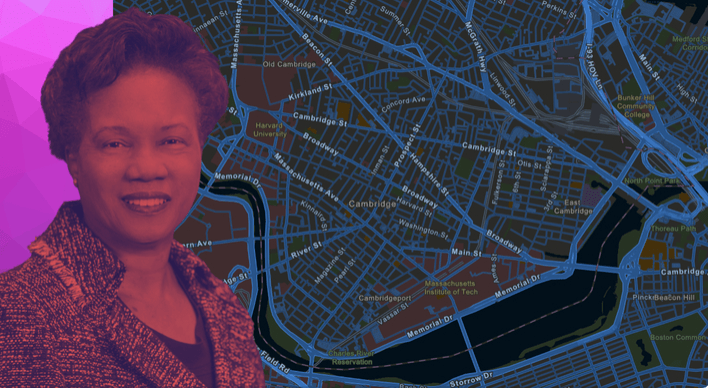
I utilized a variety of research methods to gather geographical and historical data for the Harvard Dataverse by cataloging street names and biographical information of historical figures in Cambridge, MA. This rich collection of information offers valuable insights into the patterns of commemoration in the City of Cambridge and provides a foundation for further analysis and exploration in the field of urban studies and social history.

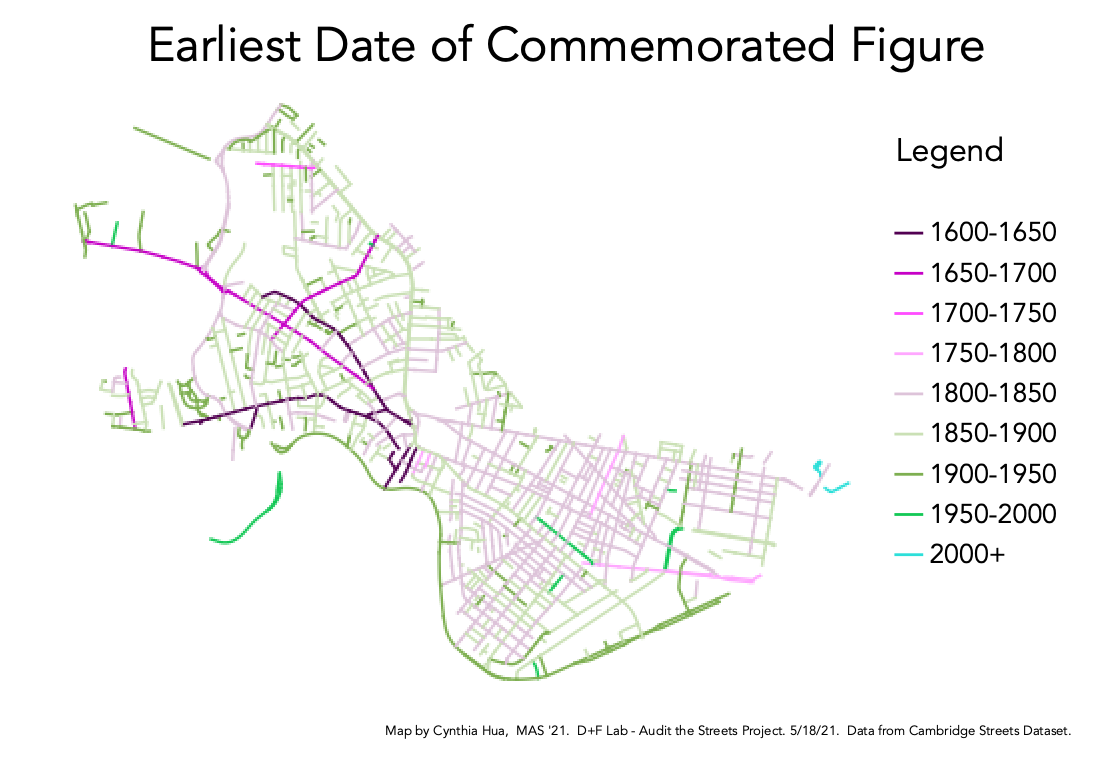


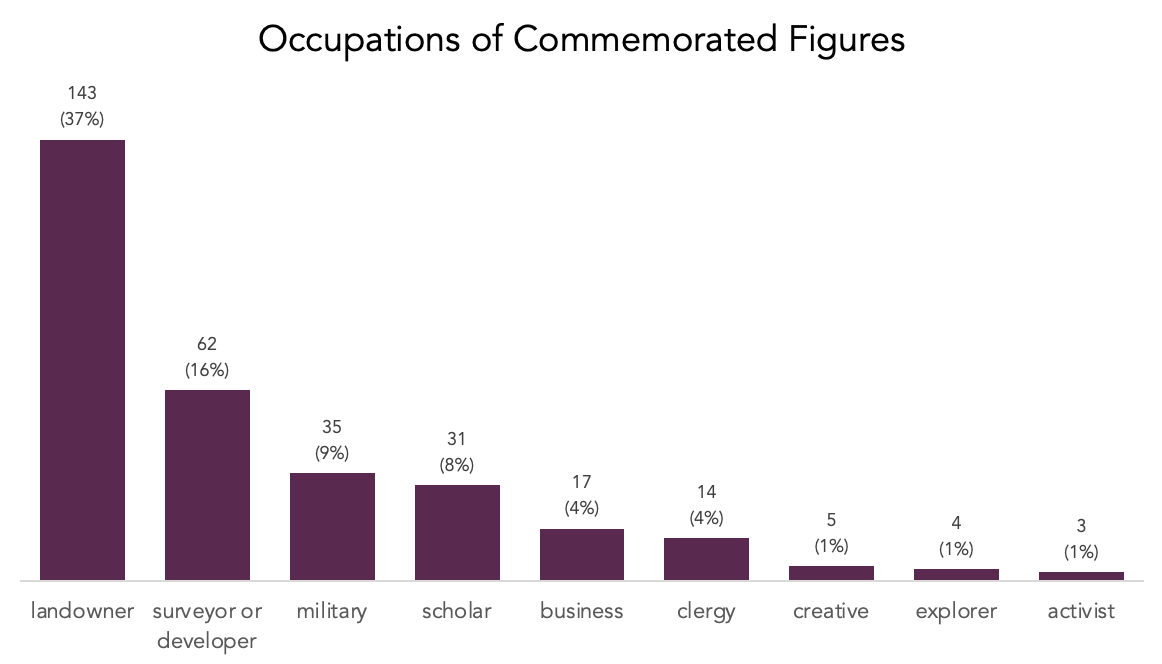
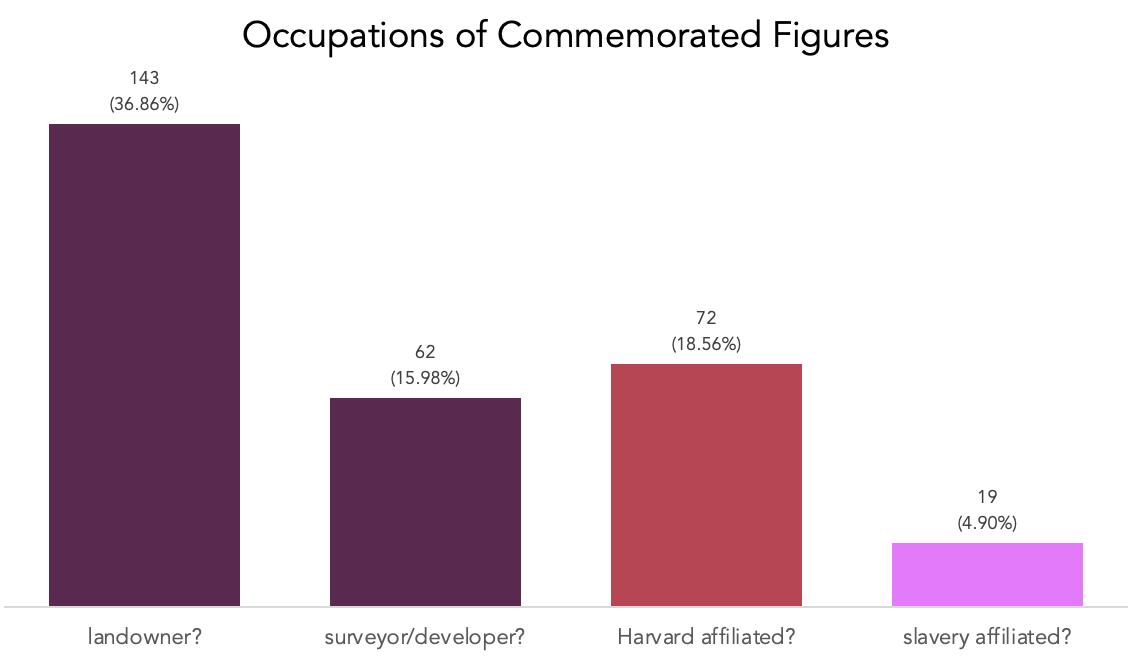
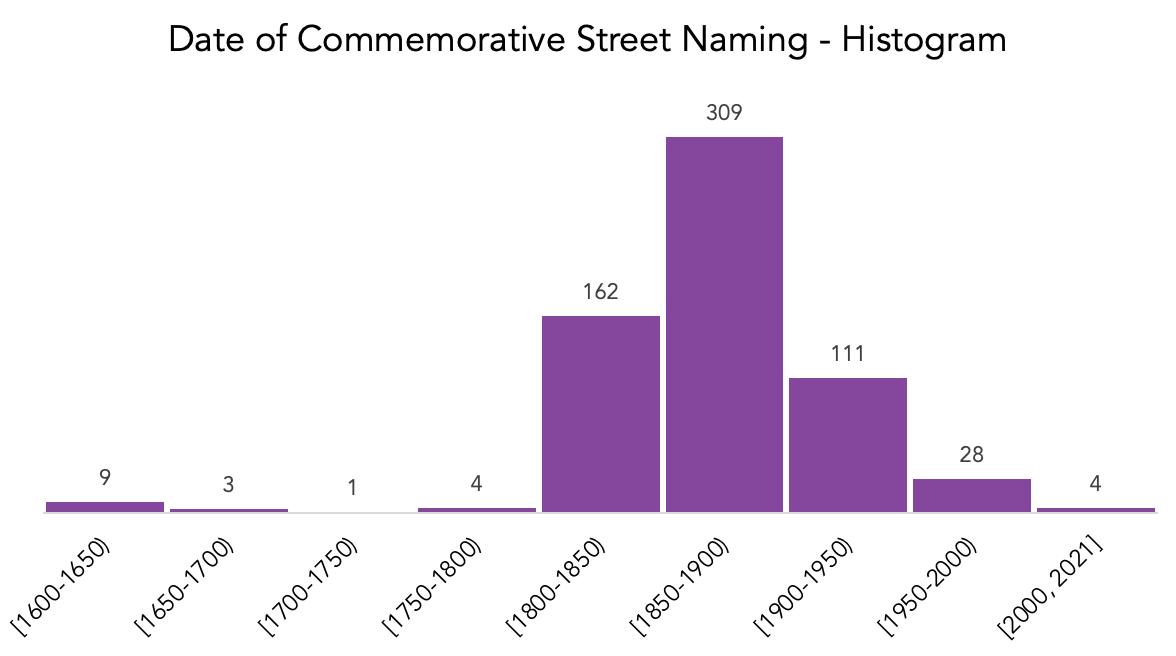
I conducted interviews with community members, historians, urban planners, and other relevant stakeholders to understand the historical and social significance of street names and commemorations in Cambridge. These interviews provided valuable insights into the motivations behind the naming choices and the narratives they represent. I immersed myself in the physical spaces and communities of Cambridge, observing and documenting the various street names and commemorative symbols present. This allowed me to gain a deeper understanding of how these names and commemorations are situated within the urban landscape and how they are perceived and interacted with by different people.
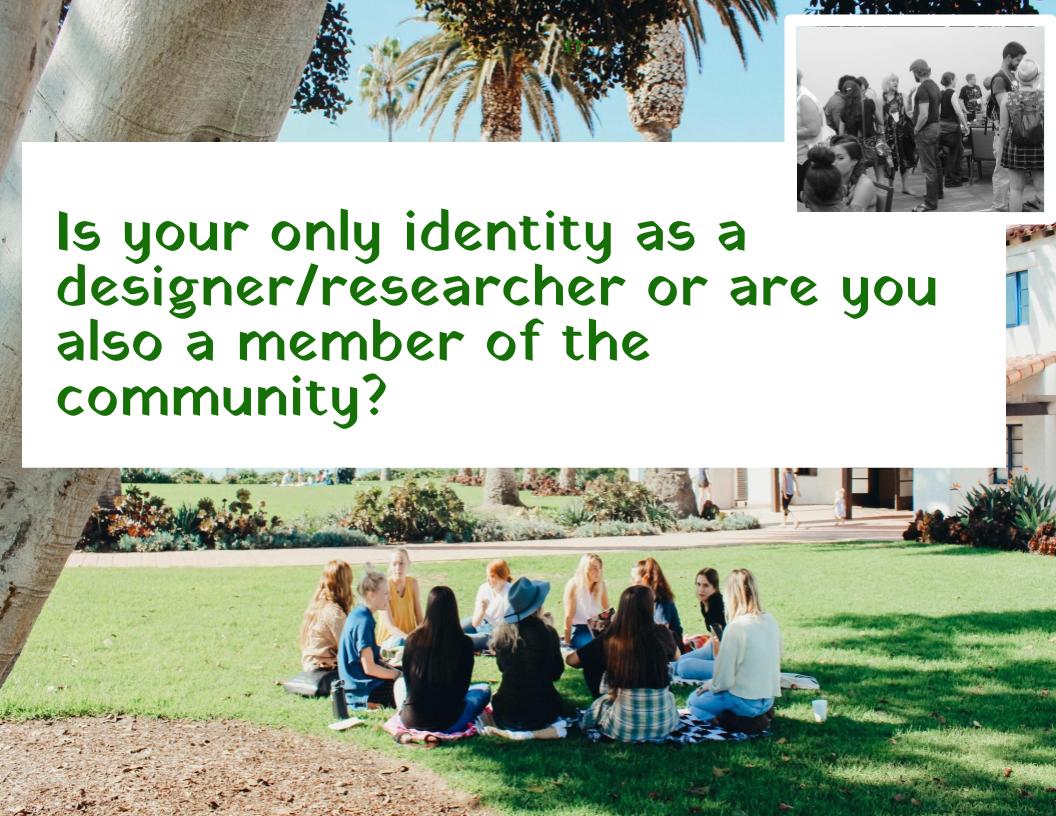
Computer Supported Cooperative Work (CSCW) 2020:
Collective Organizing and Social Responsibility
I facilitated ideation sessions with a diverse group of stakeholders to brainstorm innovative ways to invest in community engagement.These sessions fostered creative thinking and generated ideas for potential applications of the data in research, policy-making, and community engagement.
Investigating Dermatology-Patient Relationship as a Design Strategy to Combat Racialized Algorithmic Bias
At CSCW 2020, I had the opportunity to present my research paper titled “Investigating Dermatology-Patient Relationship as a Design Strategy to Combat Racialized Algorithmic Bias.” This study aimed to address the issue of racial bias in dermatological algorithms by exploring the importance of the dermatology-patient relationship in mitigating algorithmic biases.
Racialized algorithmic bias in dermatology refers to the phenomenon where machine learning algorithms trained on biased data tend to perform differently on different racial and ethnic groups. This can lead to inaccurate diagnoses and unequal access to healthcare for marginalized communities. To combat this bias, it is crucial to understand the role of the dermatology-patient relationship in shaping algorithmic outcomes.
Our research involved conducting interviews with dermatologists, patients, and experts in the field of algorithmic fairness. Through these interviews, we gained insights into the experiences, perspectives, and concerns of both dermatologists and patients regarding algorithmic bias in dermatology.
We found that the dermatology-patient relationship plays a significant role in addressing and mitigating algorithmic bias. Building trust and open communication between dermatologists and patients can enhance the accuracy of diagnoses and facilitate more equitable healthcare outcomes. Patients who feel comfortable discussing their concerns and providing additional contextual information can help mitigate biases that arise from algorithmic decision-making.
Developers can work towards creating more fair and accurate dermatological algorithms that consider the diversity and unique needs of patients.
Certainly! Co-authoring “The Audit: Perils and Possibilities for Contesting White Supremacy, Heteropatriarchy, and Settler Colonialism in the Heritage Landscape” provided me with a wealth of research skills and knowledge. Here are some aspects I can highlight:
- Literature Review: During the research process, I delved into extensive literature related to white supremacy, heteropatriarchy, and settler colonialism in the heritage landscape. This involved analyzing academic papers, books, articles, and relevant historical and cultural resources to understand the existing discourse and develop a comprehensive understanding of the subject matter.
- Critical Analysis: Co-authoring this publication required a critical lens to unpack the perils and possibilities of contesting oppressive systems within the heritage landscape. Through rigorous analysis, we examined the power dynamics, structural inequalities, and the impact of colonial legacies on heritage sites, aiming to provide insight and propose transformative strategies.
- Research Methodology: The co-authored work necessitated a thoughtful selection of research methodologies. We employed qualitative methods like interviews, surveys, and archival research to gather primary and secondary data to support our arguments and provide a nuanced perspective on the topic.
- Collaboration and Communication: As a co-author, I actively engaged in collaborative discussions, exchanging ideas, and refining concepts with fellow researchers. This experience enhanced my ability to work effectively within a team, adapt to different perspectives, and consolidate various viewpoints into a cohesive narrative.
- Academic Writing: Crafting sections of the publication honed my academic writing skills. It involved synthesizing complex ideas, presenting well-structured arguments, and adhering to scholarly conventions and citation styles.



 Nico Addai
Leave a comment